

Monthly 10-minute checks
- Tire pressure: use the number on the driver's door sticker, not the tire
- Tire tread: put a penny in the groove head-first. If you can see all of Lincoln's head, it is time for new tires
- Fluids: oil, coolant, brake and washer fluid levels
- Lights: headlights, brake lights and turn signals
- Warning lights: do not ignore a check-engine light
Follow the maintenance schedule
Your owner's manual lists when to change oil, filters, belts and fluids. Many newer cars can go 5,000 to 10,000 miles between oil changes. Changing it more often than needed wastes money, while skipping it can ruin an engine.
Free and low-cost help
- Many auto parts stores test batteries and read check-engine codes for free
- Free recall repairs at dealers
- Community college auto technology programs often do repairs for the cost of parts
- Nonprofit garages and car repair assistance
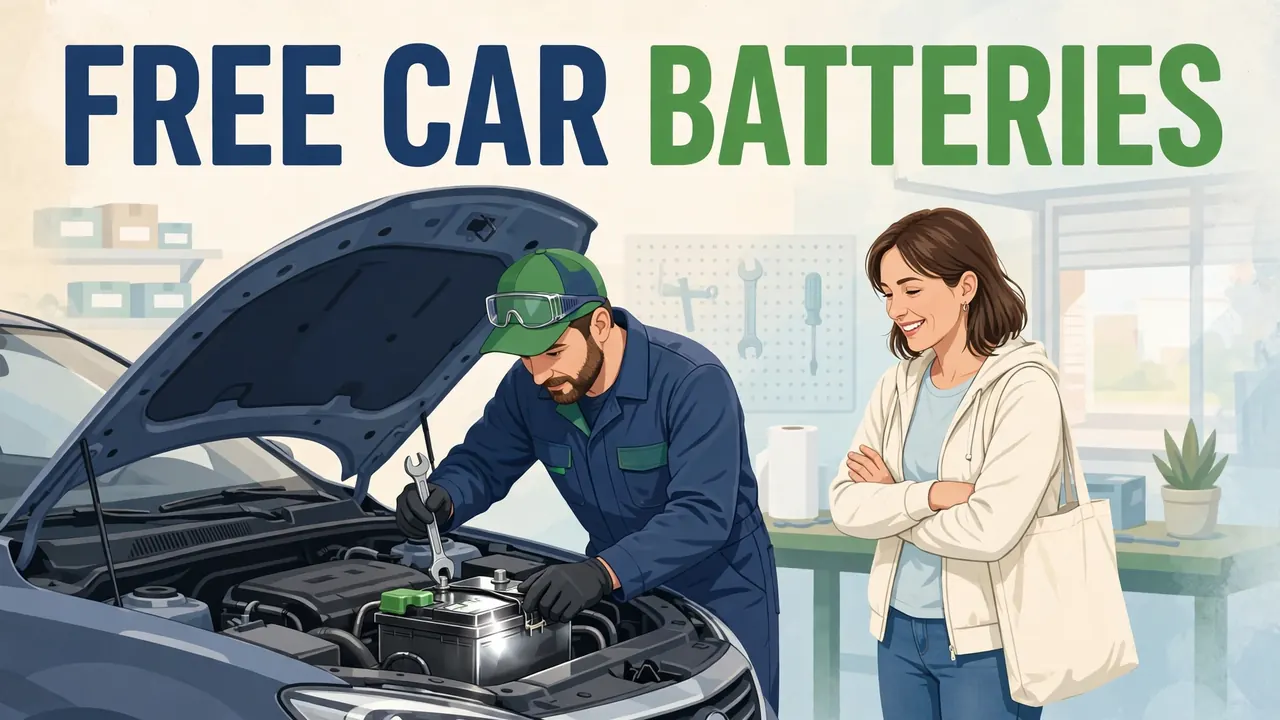
- Free tires and batteries programs
Choose a fair repair shop
- Look for ASE-certified technicians and good local reviews
- Always get a written estimate before work starts
- Ask to see or keep replaced parts
- Get a second opinion on big repairs
Build a small car fund
Setting aside even $10 to $25 a week creates a cushion for tires, brakes and batteries, so a small problem does not become an emergency.
Frequently asked questions
How often should I change my oil?
Follow your owner's manual. Many modern cars recommend 5,000 to 10,000 miles, or less for severe conditions like short trips or towing.
Is it safe to drive with the check-engine light on?
If it is flashing, stop driving and get help, because it can mean a serious problem. If it is steady, get the code read soon.
Related help
Find help in your state
- California
- Texas
- Florida
- New York
- Pennsylvania
- Ohio
- Georgia
- North Carolina
- Michigan
- Illinois
- All 50 states + DC
Reviewed November 2026. This page was researched using official government and program sources. Programs change often, so please confirm details with each program before applying. How we research.